Nature is not only all that is visible to the eye, it also includes the inner pictures of the soul.” – Edvard Munch
Understanding Acrylic Paint
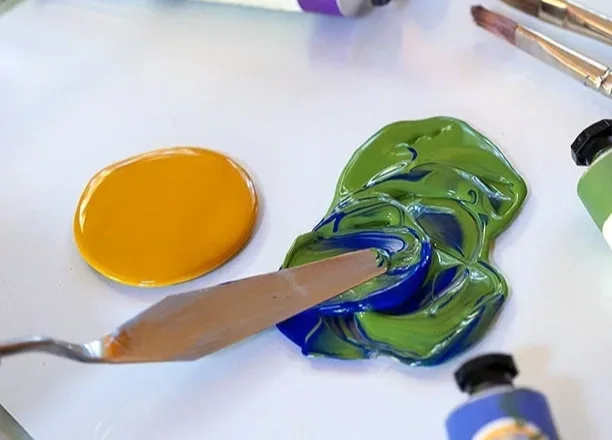
Acrylic paint is composed of three primary components: pigment, binder, and water. Pigment provides color, the binder holds the pigment particles together and adheres them to the surface, and water acts as the vehicle that allows the paint to be applied and manipulated.
The primary difference between student-grade and professional-grade paint lies in the ratio and quality of these components. Professional paints generally contain a higher concentration of pigment and fewer fillers, resulting in greater color intensity, stronger mixing capabilities, and improved coverage. Student-grade paints often contain less pigment and a greater proportion of fillers and extenders, making them a more economical option while producing different working properties.
Paint Mediums
Artists may alter the behavior of paint through the use of mediums. Mediums can affect transparency, viscosity, drying time, surface quality, and texture, expanding the range of visual and material possibilities available within a painting.
Understanding how mediums interact with paint allows artists to make more intentional choices while developing a surface.
Value Scales
Value refers to the lightness or darkness of a color and is one of the most important tools available to an artist.
To better understand value relationships, artists created value scales by mixing equal portions of a color with black and repeating the process through several stages. The exercise was then repeated using white to create a corresponding light-value scale.
While black and white are useful for studying value, their addition can reduce color intensity and saturation. Understanding value independently from color provides a foundation for stronger color mixing, composition, and visual decision-making.
Underpainting
An underpainting serves as the initial foundation upon which subsequent layers are built. Throughout art history, artists have used underpainting to establish composition, value relationships, color temperature, and visual structure before developing a work through additional layers.
Examining historical masterworks reveals that paintings are often constructed through a series of layers rather than completed in a single application.
Painting as Process
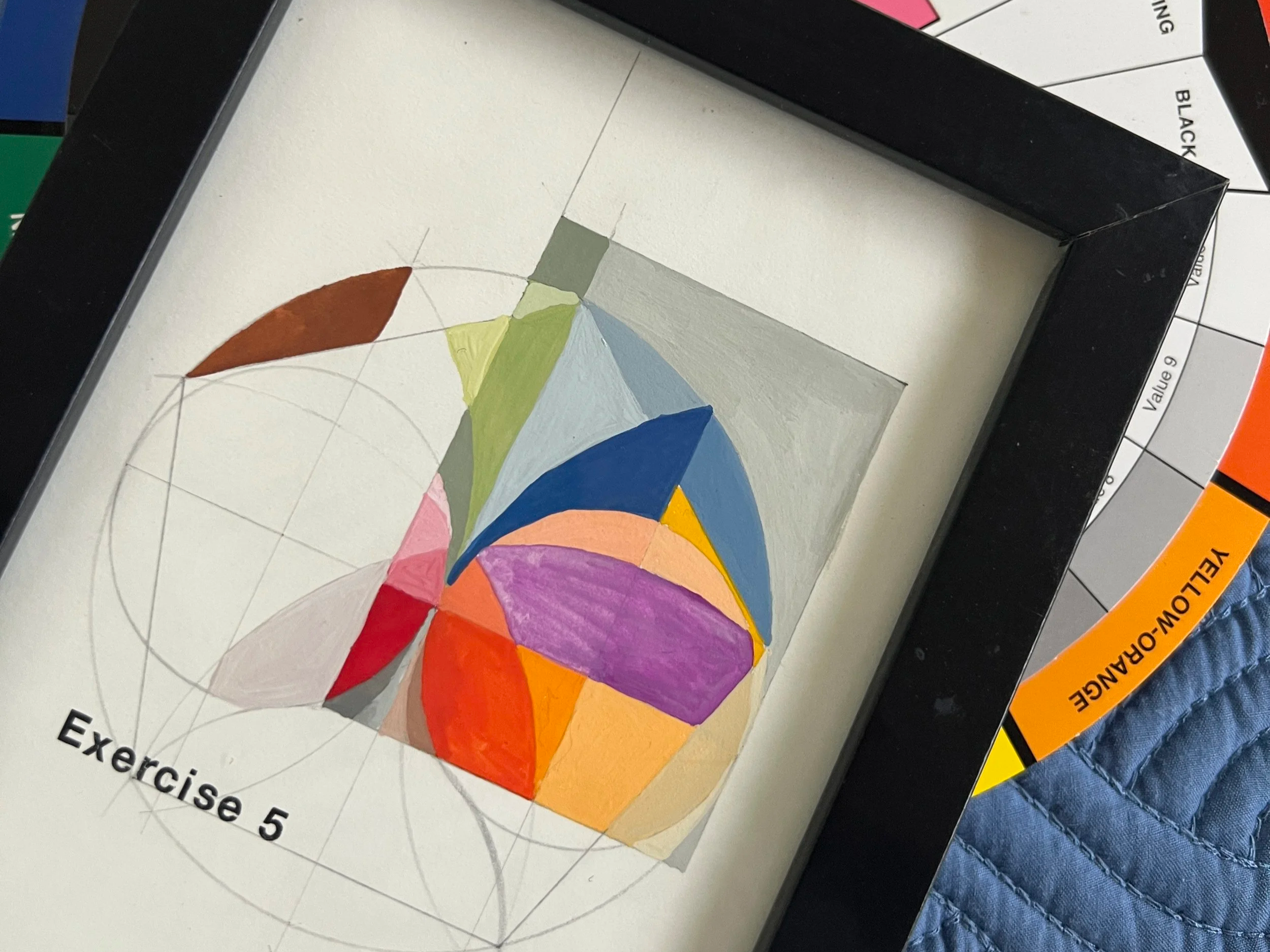
Paintings are rarely created in a straight line. They evolve through intention, interruption, response, revision, and discovery.
As a painting develops, original plans are often disrupted by new information. Unexpected marks, accidents, and emerging relationships create opportunities for artists to respond rather than simply execute a predetermined outcome.
Through layering and revision, artists continually evaluate what remains, what changes, and what must be released in service of the work as a whole. Complexity emerges over time, and the finished painting becomes the result of a conversation between intention and response.