Perception and Visual Language
Artists use the Elements of Art and Principles of Design to translate experience into visual form. A sound, scent, texture, taste, memory, or emotion can be expressed through line, color, shape, value, texture, and composition. There is no single correct translation. The goal is to observe, interpret, and communicate perception through visual language.
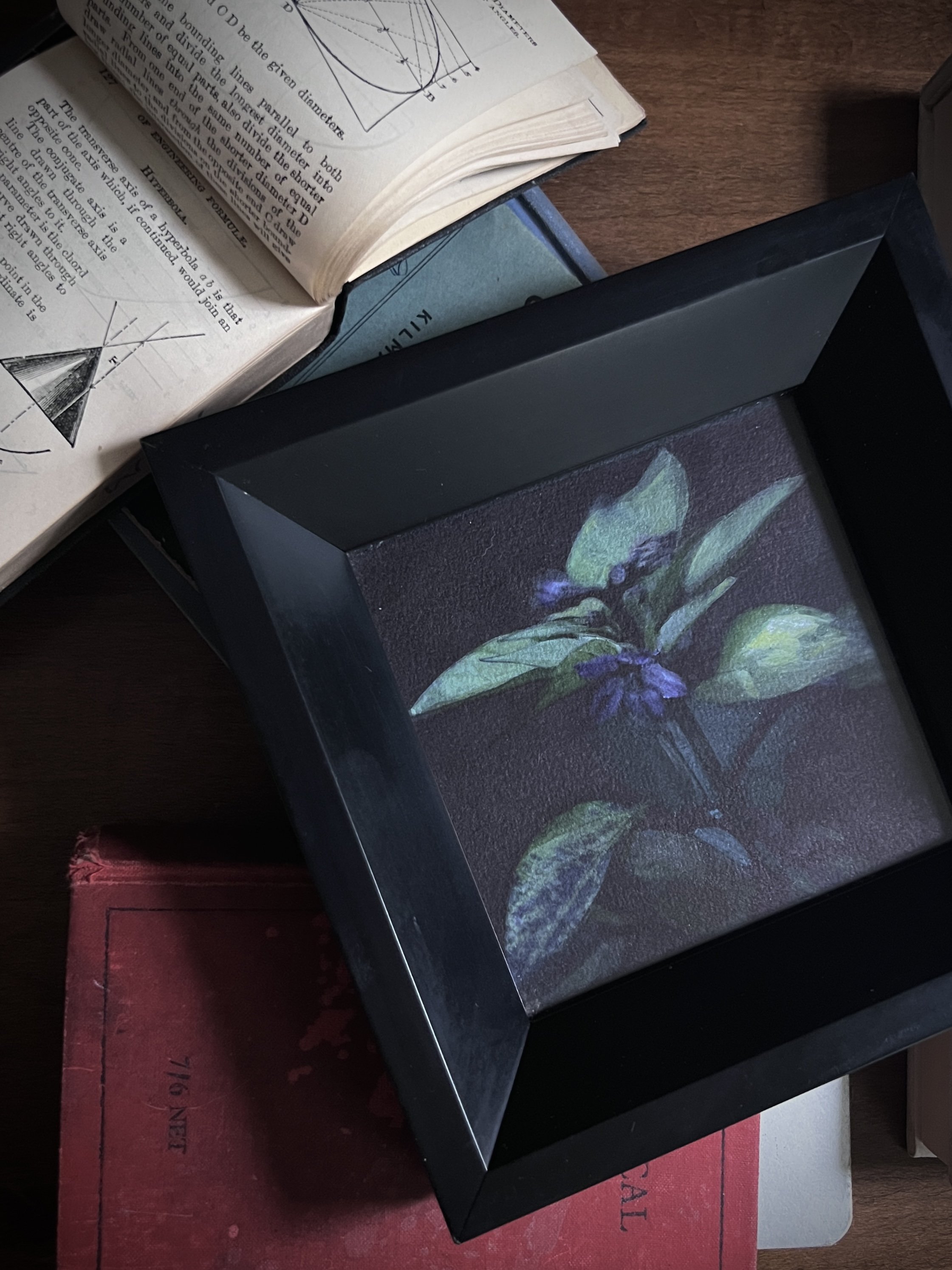
The Elements of Art
The Elements of Art are the basic building blocks artists use to create visual language.
Line – A mark that connects two points. Lines can suggest movement, direction, energy, emotion, and form.
Shape – A two-dimensional area defined by boundaries. Shapes can be geometric or organic and help organize visual information.
Form – A three-dimensional object or the illusion of three-dimensionality within a work of art.
Color – The visual perception of light. Color can communicate mood, emotion, atmosphere, and meaning.
Value – The lightness or darkness of a color. Value creates contrast, depth, volume, and emphasis.
Texture – The surface quality of an object, whether actual or implied. Texture helps create sensory and emotional connections.
Space – The area around, between, within, or occupied by objects. Space helps establish relationships, depth, and composition.
The Principles of Design
The Principles of Design describe how the Elements of Art are organized and used together.
Balance – The distribution of visual weight within a composition.
Contrast – Differences between elements that create visual interest, emphasis, and clarity.
Emphasis – The area or element that draws the viewer's attention first.
Movement – The path the viewer's eye follows through a composition.
Pattern – The repetition of visual elements in a predictable way.
Rhythm – A sense of visual flow created through repetition and variation.
Unity – The feeling that all parts of a composition belong together and work as a whole.
Variety – Differences within a composition that create interest and prevent monotony.
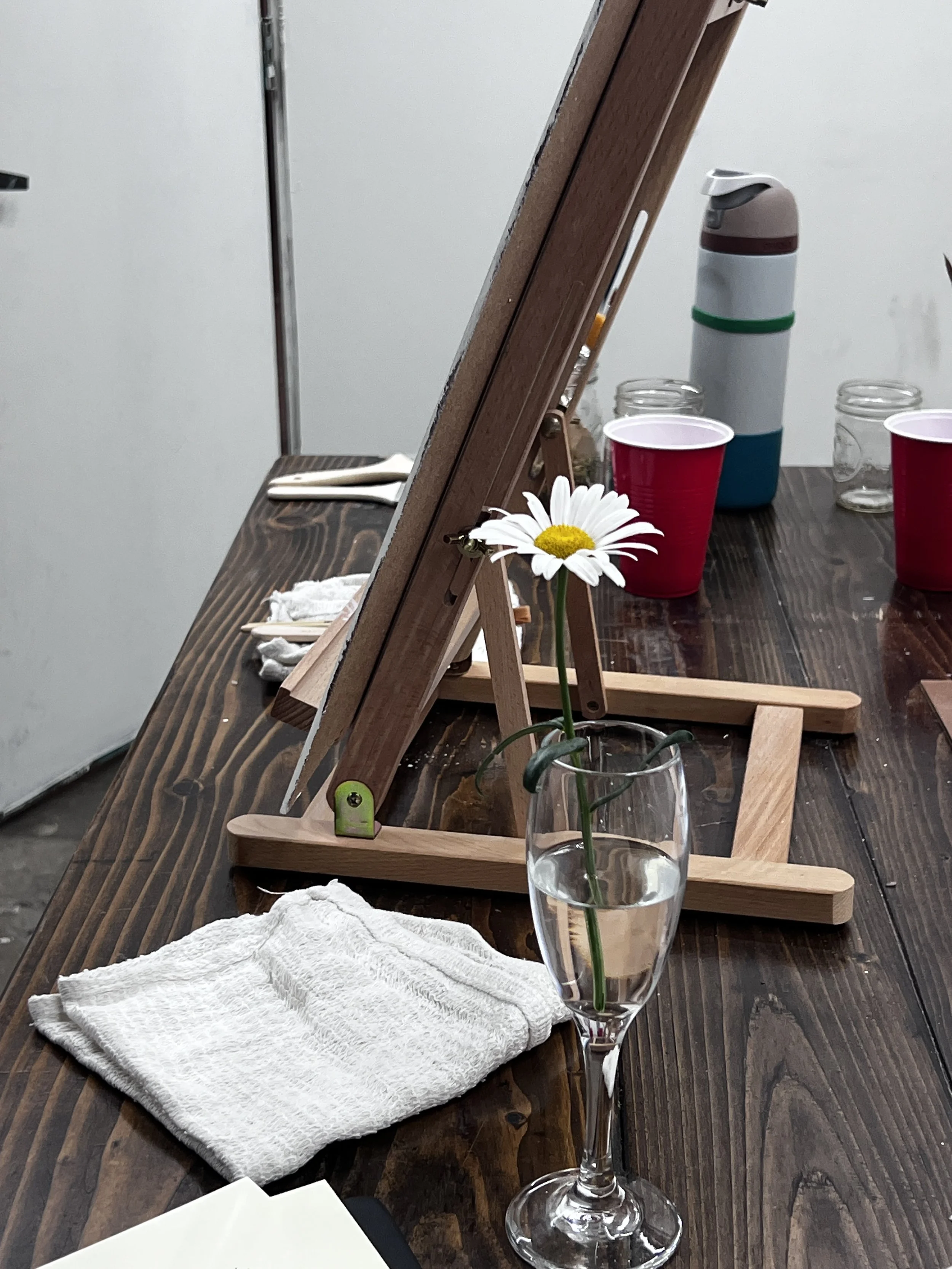
Perception and Visual Language
Using the five senses as a starting point, artists explore how sound, touch, taste, and smell influence perception and how those experiences can be expressed through visual form. The Elements of Art—line, shape, form, color, value, texture, and space—and the Principles of Design—balance, contrast, emphasis, movement, pattern, rhythm, and unity—serve as the visual language through which these experiences are communicated.
Rather than approaching these concepts as rules to memorize, artists use them as tools for visual communication. Through line, color, texture, shape, and composition, sensory experiences can be translated into visual form.
• What color might a scent be?
• What texture does a piece of music create?
• What does softness look like?
• How can a feeling become a line, shape, or visual rhythm?
These explorations expand an artist's understanding of the relationship between perception and artistic expression, developing a richer visual vocabulary and a deeper awareness of how experience can be communicated through the language of art. As artists develop greater awareness of perception, they begin to see more, notice more, and respond more intentionally. This ongoing process influences both their artwork and their relationship to the world around them.